Elixir Group is one of Serbia’s most visible fertiliser and chemical platforms, with production centred on Prahovo and Šabac and river-logistics access through the Danube and Sava corridors. For international buyers, however, the useful question is not whether the group is large or export-active. It is whether the exact product, producing entity, site, permit position, available volume and delivery route can be evidenced for the transaction being considered.
The platform has meaningful scale and vertical integration, but buyers should separate corporate capacity claims from current output, and planned investments from commissioned assets. A sound approval process should connect one legal counterparty, one production site, one SKU, one logistics chain and one regulatory pathway.
Prahovo and Šabac are not interchangeable
Elixir Group’s own corporate materials describe a linked platform that includes phosphoric acid, mineral fertilisers, NPK products, aluminium fluoride and logistics. The 2025 green-bond prospectus identifies Elixir Prahovo DOO as part of the group and describes NPK production in Šabac together with multiple production facilities in Prahovo.
From a procurement perspective, the distinction matters. Elixir Prahovo and Elixir Zorka–Mineralna Đubriva Šabac are separate legal entities. The seller named in the contract, the manufacturing site on quality documentation, the dispatch point, the relevant permits and the credit exposure should therefore be matched explicitly.
Capacity is useful, but available tonnage is what matters
Public disclosures point to substantial installed capacity. The green-bond prospectus reports approximately 370,000 tonnes of mineral-fertiliser capacity at Šabac and 300,000 tonnes at Prahovo, alongside phosphoric-acid capacity expressed as P₂O₅. Those figures demonstrate scale, but they do not prove current utilisation, uncommitted monthly output or delivery availability for a specific grade.
| Site | Publicly described role | What a buyer should verify |
|---|---|---|
| Prahovo | Phosphoric acid, complex fertilisers, aluminium fluoride and related chemical production | Recent output, maintenance schedule, acid availability, exact product line and monthly allocation |
| Šabac | NPK and mineral-fertiliser production | Whether the requested formulation is produced and approved at this site, and what quantity is contractually available |
For transactions, actual evidence should include recent production records, lead times, planned shutdowns, committed volumes, batch documentation and a shipment schedule. Nameplate capacity is a starting point, not a supply guarantee.
Vertical integration is an advantage, but also a concentration risk
Prahovo’s phosphoric-acid production is commercially important because it can support internal fertiliser manufacturing. Scope Ratings has cited self-procurement and integration as strengths in the group profile. For buyers, that can reduce dependence on an external acid supplier, but it also means disruption in feedstock, acid production, energy or internal logistics may affect multiple downstream products at once.
A robust supplier review should therefore ask how raw phosphate, sulphuric acid and energy are secured, how captive consumption is allocated, what contingency stocks exist and whether maintenance on one unit can constrain another.
Expansion projects should be treated as future capacity until commissioned
The Prahovo 2027 programme describes more than €300 million of planned investment and several greenfield projects, including a crystalline monoammonium-phosphate plant. Such projects can materially strengthen future supply options, but they should not be treated as current production until commissioning, performance testing and saleable output are documented.
This distinction is particularly important in procurement, lending and offtake discussions. Planned capacity can support a strategic relationship, but only commissioned capacity should support near-term delivery commitments.
Permit status must be read installation by installation
Environmental approvals should not be reduced to a simple “permitted / not permitted” label. Serbia’s Ministry of Environmental Protection approved an environmental-impact-assessment study for a crystalline-mineral-fertiliser facility in March 2026. The ministry later published Elixir Prahovo’s integrated-permit application for the installation in September 2026, and at the end of September extended the public-inspection period. That means the application process was still active; publication of an application is not the same as issuance of an integrated permit.
For any transaction linked to a specific unit, buyers should obtain the current permit record, confirm which installation and activity it covers, and distinguish between EIA approval, an IPPC application, a final integrated permit and commissioning evidence.
River logistics can be a real advantage—if the route is verified
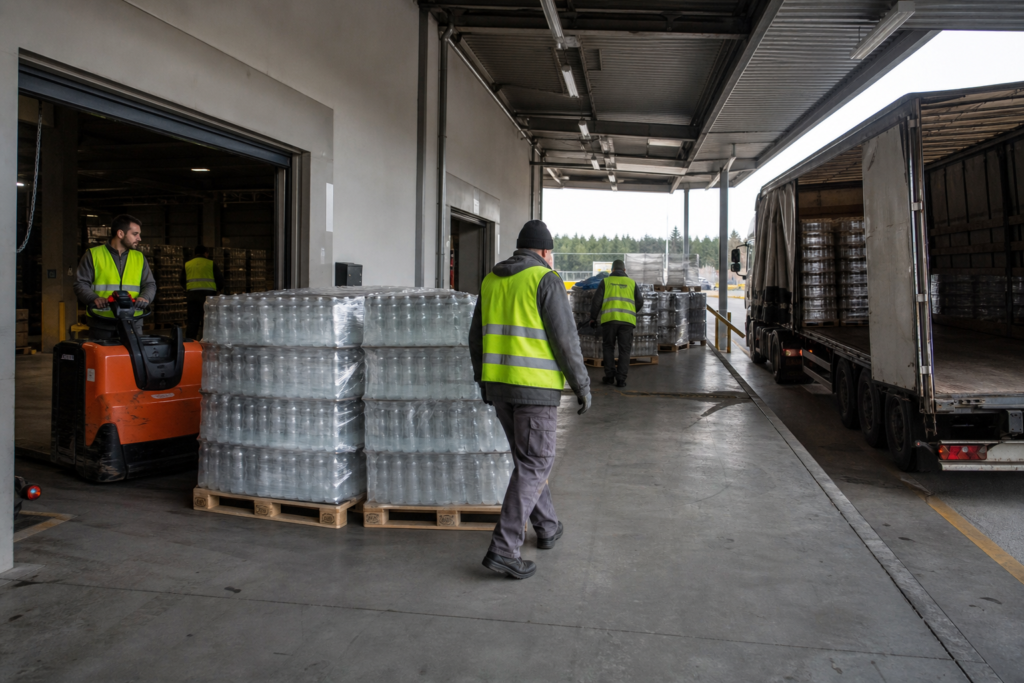
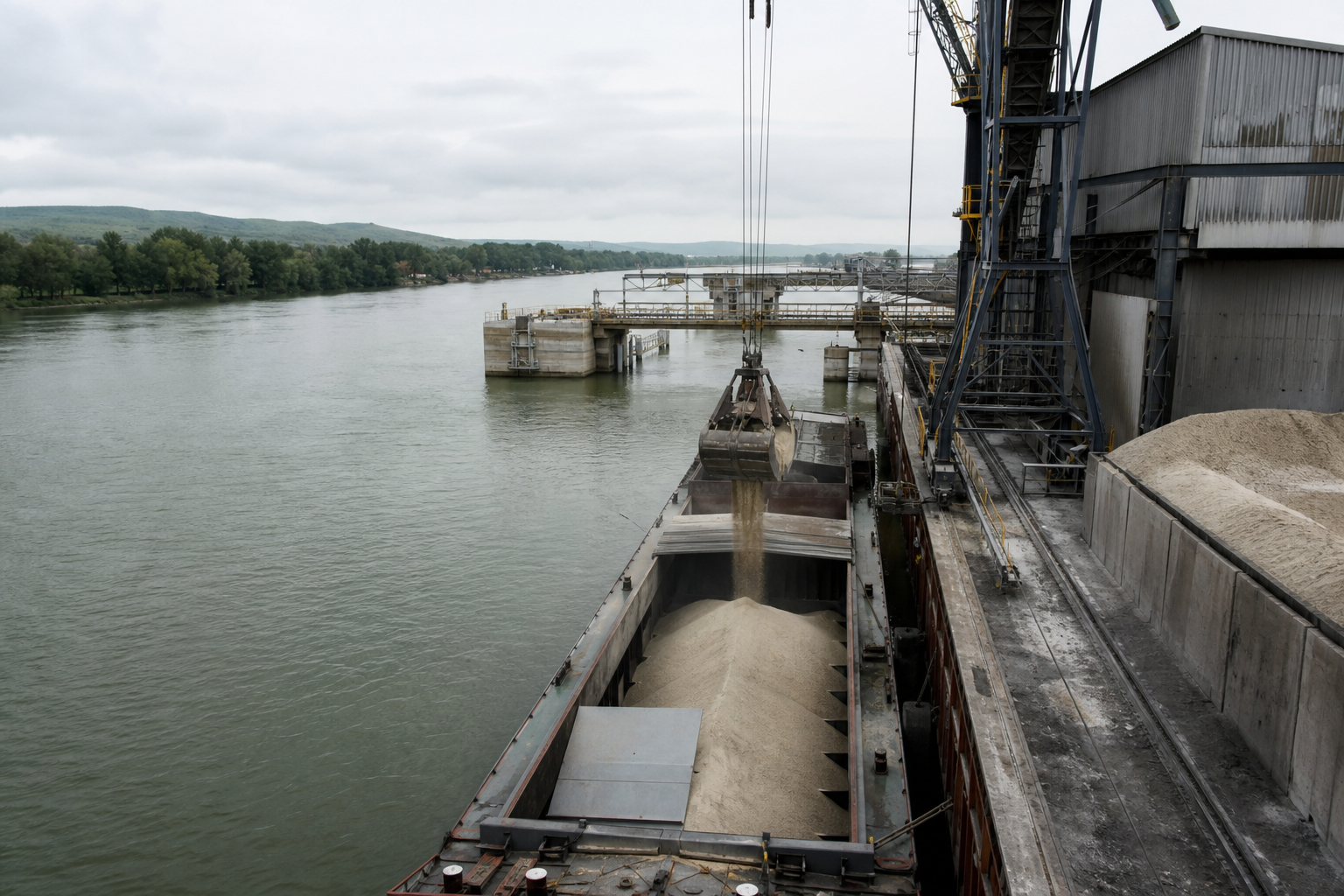
Elixir Group states that it operates Port of Prahovo on the Danube and Port of Šabac on the Sava and can organise rail, road, river and sea transport, forwarding and customs services. This integrated logistics model can reduce coordination burden, particularly for bulk or high-volume shipments.
The operational questions remain route-specific: berth availability, seasonal water levels, storage, rail capacity, truck access, loading rates, dangerous-goods handling, customs responsibility and fallback routing. A buyer should require a transport plan tied to the actual origin, destination, Incoterm and shipment window.
EU buyers need product-level customs and CBAM analysis
The EU Carbon Border Adjustment Mechanism entered its definitive phase in 2026. Fertilisers are among the covered sectors, but obligations depend on the exact customs classification and product composition. Buyers should not assume that every fertiliser product from the same supplier receives identical treatment.
The importer should therefore confirm the CN code, CBAM scope, embedded-emissions requirements and any relevant REACH or product-market obligations before contracting. Supplier documentation is important, but the legal responsibility for EU import compliance remains importer-side.
A practical buyer due-diligence checklist
- Fix the legal counterparty. Verify the exact Serbian company, registry data, signatory authority and bank details.
- Fix the producing site. Record whether the product comes from Prahovo or Šabac and make the site part of the approved specification.
- Approve the exact SKU. Obtain specification sheets, recent certificates of analysis, safety documents, packaging details, tolerances and traceability procedures.
- Test real availability. Request recent output, monthly allocation, maintenance schedule, lead time and already committed volumes.
- Check permit status. Confirm the current EIA, integrated-permit and commissioning position for the relevant installation.
- Map the logistics chain. Set the Incoterm, loading terminal, transport mode, route contingency, customs role and pre-shipment evidence.
- Confirm importer obligations. Validate customs classification, CBAM scope, REACH and destination-market product requirements.
- Align payment with evidence. Use milestones, documentary conditions, inspection rights or other controls appropriate to the transaction size and risk profile.
Bottom line: Elixir Group offers credible industrial scale, integrated chemical production and useful river-logistics options in Serbia. The strongest procurement case exists when the seller, site, product, available volume, permit status and transport route are all documented at transaction level. Buyers should defer or condition approval where supply relies mainly on group-wide capacity figures, future plants are presented as operational, or the proposed product cannot be tied clearly to one site and one compliance path.
Sources
- Elixir Group — 2025 green-bond prospectus
- Scope Ratings — Elixir Group rating report
- Elixir Prahovo — company information
- Elixir Zorka — company information
- Elixir Group — Prahovo 2027
- Elixir Group — transport and logistics
- Serbian Ministry of Environmental Protection — Elixir Prahovo integrated-permit application
- European Commission — CBAM definitive regime